
When Helen Caton-Peters, MSN, RN, FAAN, graduated from the Medical University of South Carolina (MUSC) College of Nursing (CON) with a Master’s in Nursing Science (MSN) in 1996, she never imagined her career would eventually span 53 countries, transforming how governments and health systems view technology and care.
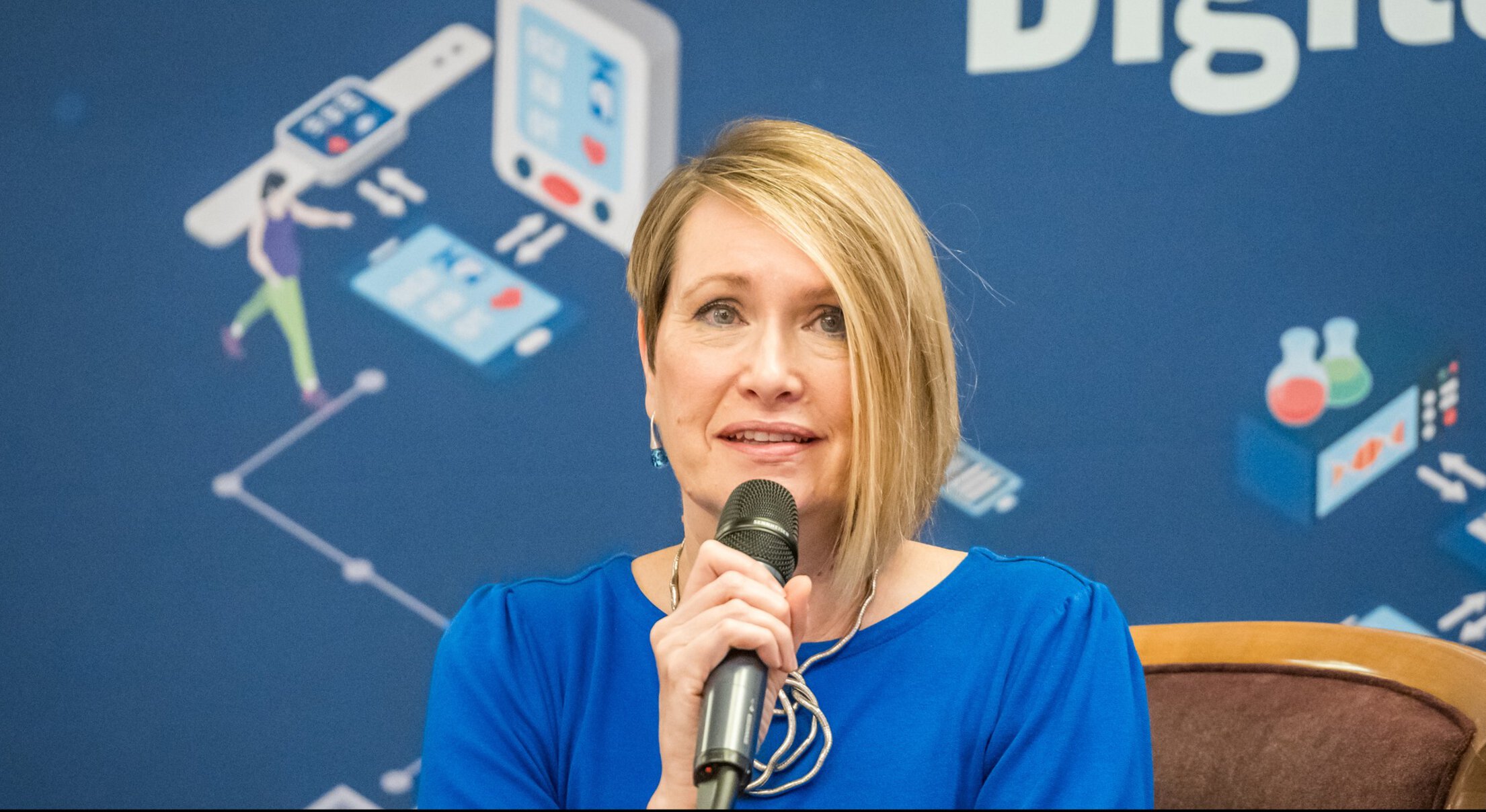
Today, as the Country Support Lead for Digital Health at the World Health Organization’s (WHO) Europe Region, Caton-Peters is shaping the future of health care with a simple philosophy: “Digital health is health.”
Her work with WHO Europe, its largest regional office, places her at the heart of international policymaking, from data-sharing frameworks and national digitalization strategies to artificial intelligence and digital public infrastructure and standards. “We provide technical support to all of our Member States in Europe and collaborate with Headquarters and across other regions to lead countries in national data and digital transformation,” she said. “Sometimes, it’s helping a government implement a national electronic record system or telemedicine program. Other times, it’s convening stakeholders to develop a national digital health strategy from the ground up. The work is cross-cutting, dynamic and always people-centered.” That people-first approach is woven through every stage of her career, beginning in Charleston.
Digital health is health.
Charleston Roots and a Family Legacy
Caton-Peters began her nursing career in the OB/GYN unit at MUSC, where the rollout of an electronic documentation system sparked her curiosity. With a problem-solving mindset and a growing awareness of system-level change, she was drawn to the intersection of clinical care and technology. “I was a new nurse and already put into a charge nurse position,” she recalled. “We had a nursing shortage, and I was constantly thinking about how to improve our processes.”
That drive to solve problems eventually led her back to MUSC in a new role as a clinical systems analyst, where she worked directly with providers, clinical and ancillary teams to design and implement a system-wide electronic health record system. The introduction of Health Insurance Portability and Accountability Act (HIPAA) regulations around that time deepened her interest in policy. “People think of HIPAA in terms of privacy,” she said. “But for me, it was about understanding the structure of how health information was shared and the way it improved efficiency in health care. It opened the door for me to explore national and international health policy.”
Charleston not only sparked Helen’s professional transformation but also marked a deeply personal one: her connection with her mother, Ursula Caton, who pursued her dream of nursing later in life. After raising four daughters and supporting her husband’s career, Ursula earned her associate degree in nursing the same year Helen received her bachelor’s from Binghamton University. Eventually, Ursula also joined the MUSC family, working in psychiatric nursing in Charleston, where she was “loved and revered.” “It was just kind of special that we ended up in the same profession and even the same institution at times,” said Caton-Peters.
In honor of that shared journey, the Ursula Caton Endowed Memorial Scholarship was established after her passing in 2009. It supports nurses with young families or those returning to the field later in life, as Ursula did. “It’s our way of giving back and lifting up those who need support on their path,” she said.
Global Perspective, Local Impact
Caton-Peters’ resume reads like a roadmap of global health systems. From high-level policy meetings in Europe to clinic visits in low-income countries, her work reinforces a belief that transcends borders: “We are more the same than we are different.”
In her view, whether in a wealthy European capital or a rural health outpost, the foundational elements of care trust, access and dignity remain constant. “The most memorable moments aren’t the big strategy meetings,” she said. “They’re the times when I’ve stood in a crowded waiting room in a country where I don’t speak the language, and people know we’re there to help. That gratitude is unforgettable.”
Her current focus? Developing a strategy around artificial intelligence in health for the WHO European Region. It’s cutting-edge, high-stakes work requiring collaboration across ministries, policy experts and technologists. “Countries are asking, how do we take AI forward? We’re helping them answer that,” she said. “But none of it matters if we don’t build trust and ensure systems are ethical and fit for purpose.”
Advice for the Next Generation
For students and recent graduates considering nontraditional roles in nursing, Caton-Peters offers this advice: “Understand the clinical and policy environment. Build your network. Reach out to mentors, even if they’re outside of nursing. And be prepared. Know what you want from a conversation and ask for it.”
She speaks from experience, countless emails from curious nurses and health tech innovators land in her inbox. “If it’s a real request, I always take the time,” she said. “It’s as much a learning experience for me as it is for them.”
Lifelong Ties to the College of Nursing
Despite a demanding international career, Caton-Peters has remained engaged with MUSC’s College of Nursing. For her, the alumni community is more than a network, it’s a force for collective advocacy. “A lot of the challenges nurses faced when I graduated are still here,” she said. “But we now have the opportunity and responsibility to bring our voices together and drive change.”
She credits mentors like Dr. Marie Lobo, Ph.D., RN, FAAN, former CON faculty member, for shaping her understanding of nursing as a force for systemic transformation. “She gave us opportunities to engage in the community and see nursing in a holistic way from the home to the hospital and back again.”
Even decades later, certain memories from her time in Charleston linger, like wading through thigh-deep stormwater to make it to an in-service meeting. “It was the worst in-service ever,” she laughed. “But it’s one of those stories that stays with you.”
Helen Caton-Peters’ story is one of curiosity, courage and connection. From Charleston to Copenhagen, from bedside to boardroom, she is building a future where digital health is not a luxury but a fundamental part of care and her mother’s legacy is right there with her, lifting others along the way.